


Hello fellow writers!
Whether you’re a newbie author or an experienced one, it’s always nice to expand your resources to better your craft. I’m glad you’re on this adventure with me──experiences are better when they are shared. So come along! Check out things I found helpful during my writing process.
Writing
The key to being an author is to finish a manuscript. Sometimes the hardest part is to actually complete a draft──no matter how rough it is. Once you get a beginning, a middle and an end, the holes can be filled in as you develop your story more. There is no perfect story, there will always be flaws, but get it the most polished you can, until YOU are happy with what you have done and the suggestions you have taken along the way. Keep Writing.
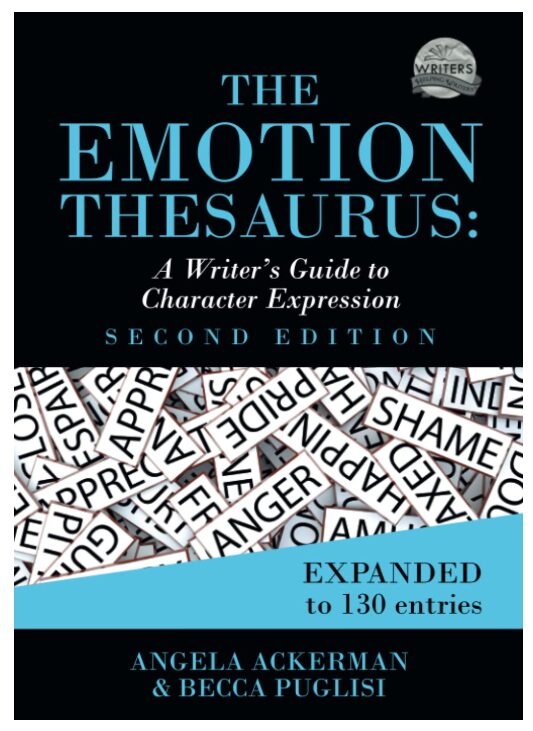
Love, love, love The Emotion Thesaurus. Highly Recommend to help character’s emotions show instead of telling readers what the characters are experiencing.
It goes through different emotions and breaks them down so you know physical signals and behavior; internal sensations and mental responses, and so much more.
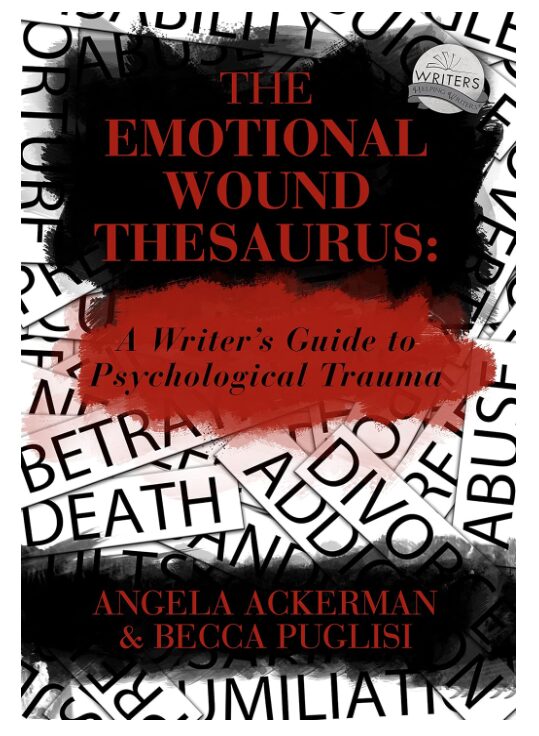
All characters have baggage, (oh wait, don’t we all?) and The Emotional Wound Thesaurus is an awesome way to help understand character’s emotional wounds (and maybe even your own). It tells how these wounds impact characters, not only the hero’s arc, but also the villain or any other character in your story. It will help you discover what drives them toward their chosen goal.
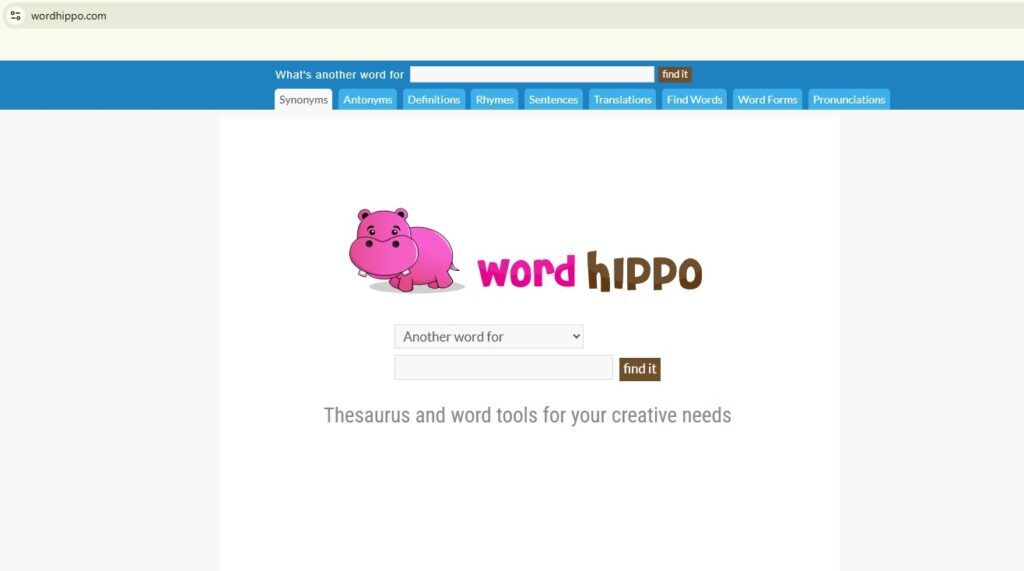
Wordhippo.com is another amazing tool to use when you need a different word, whether it’s to make the verb more active instead of those boring verbs, or so you don’t echo words. It has many different contexts for the chosen word as well.
More wonderful resources:
Writing Conferences
Whether big or small conferences, in-person or online, classes taught are a great way to develop skills, learn new ones, and find writing groups.
Writing Groups
I’ve been in several writing groups and have learned the nitty-gritty things from them that only practice can teach. It’s amazing the difference beta reading or critiquing someone’s book can do for you and your development as an author. Practice makes perfect, right? Or at least, more polished.
Podcasts and Online classes
Savannah Gilbo and Brandon Sanderson have some great free classes that you can rewind and listen to that same phrase over and over until it sinks in and you understand what your next move is in your book.
Programs to format books yourself
Atticus (for any type of device) and Vellum (only for Macs). When I first began my indie-publishing career, I thought I only had one option, until I discovered there is more than one program to format a book. I personally use Atticus and I like that it is cheaper and more versatile than Vellum, but either can work, so choose what is best for you.
Paid for Classes
I purchased a class that helped lead me through the ins-and-outs of self-publishing. I know that not all writers need this, but I wanted to know how to go ‘wide’ and be in bookstores and libraries and I needed a guide to do this. I wanted to do things right the first time rather than wishing I had done something different. If you choose to go this route, make sure they are reputable so you won’t be scammed.